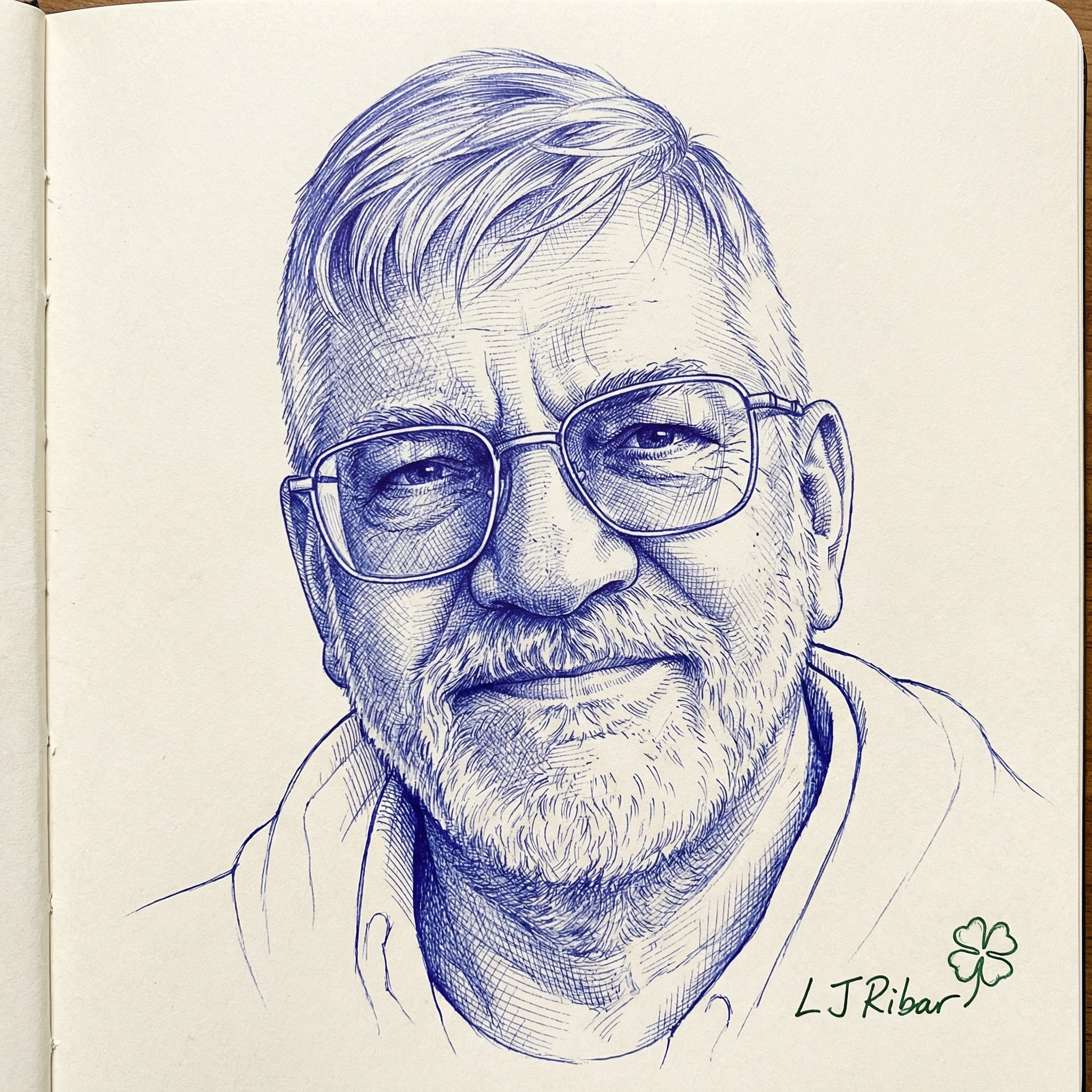
John has the ability to design software solutions that are both effective and creative. He has a true passion for this industry and keeps current with the latest technology in the field of software development. His enthusiasm and cheerful disposition make him a pleasure to work with and his positive attitude is contagious.
John has an incredible ability to talk to a client, understand the client's business processes, and design a complete solution to satisfy the client's needs. His developer background gives him that much more of an edge in designing systems that are easily understood and implemented by the developers.
From 1983 to today
Designed and developed software for one of the largest natural gas pipeline systems in the central United States. Worked remotely across a distributed engineering organisation, contributing at a senior level to systems that underpin critical energy infrastructure.
Short-term senior engineering engagement with NationBuilder, a platform used by political campaigns, nonprofits, and community organisations worldwide.
Joined Centare as a senior engineer working with clients across industries. Centare was acquired by Rural Sourcing in August 2021; continued through the transition. Brought the same approach to every engagement: understand the problem thoroughly before writing a line of code.
Designed and built a complete multi-tiered application stack for a large-scale potato farming operation — a domain as far from a data centre as you can get. Delivered a C#/Xamarin iOS app, C# MVC web applications, and a WebAPI server handling both data management and direct equipment interfaces. A reminder that good software engineering is domain-agnostic.
Designed and developed customer-facing and internal web applications for a commercial trucking insurance provider. Built on ASP.NET and MVC with VB, C#, and Bootstrap — fully remote.
Worked on Getty's premier images platform alongside a distributed team of Canadian partners. All development was done remotely through pair programming — a discipline that sharpens communication as much as it sharpens code. Ruby on Rails throughout.
Fortna acquired Picasso Software in 2003, bringing the team and codebase into a larger material handling platform. Served as Lead Architect for dcManager — a comprehensive Warehouse Control System. Designed core modules for pick-to-light control, conveyor routing, workload balancing, workzone control, label printing, and host communications. Also worked with Marketing on technical materials and served as technical consultant in prospective client meetings.
Founded Picasso to build warehouse management software that was actually affordable and flexible — a gap in the market at the time. Over twelve years, the platform managed serialised inventory for AT&T, controlled 40+ dock systems for an Argentine dairy operation, and ran a Veterans Administration mail order pharmacy processing over 70,000 orders per day — fully automated from order download through pharmacy check, picking, conveyor routing, packing, shipping, and re-order. Also designed the Pik-2-Lite paperless picking system, which received two Ben Franklin Grants from Pennsylvania — the first pick-to-light system capable of operating in freezer and wet environments. Over 500 units produced and installed across four facilities.
Concurrent with Picasso, led design and development of the VA Mail Order Pharmacy system — real-time conveyor control, hardware interfaces, EDI order processing, and user interfaces for a facility processing tens of thousands of prescriptions daily.
Five years in material handling consulting — first at St. Onge, Ruff & Associates, then at the successor St. Onge Company. Specified software and systems for warehousing and manufacturing facilities. Built a site-selection tool using a lat/long database to optimise distribution centre placement based on shipping costs, drayage, and distances. Assisted with simulation using Simon and Cinema to validate warehouse designs before construction. At St. Onge Company, helped develop an expert-system-based package for a pharmaceutical client managing raw materials, work-in-progress, and finished goods through storage and manufacturing.
Ported the base Unix word processing software to VAX — a brief but technically precise engagement that required deep understanding of platform differences.
Customised Automatic Guided Vehicle (AGV) installations for automated warehouses and production facilities, most notably General Motors. All development in Fortran on PDP-11 minicomputers. Became development site manager for several installations. Built a graphical real-time viewing tool for manager PCs — written in C, supporting 100+ AGVs with zoom capability. Also designed a new higher-level language for programming AGVs, replacing the existing assembly-level Italian code. When the right tool doesn't exist, build it.
Built front-end data management tools for the HARM missile avionics tester. Designed database tables and implemented the front end in Fortran. The drop-down menus used in the interface were among the first seen on a mini-computer at that time — a small detail that says something about the era.
Work was classified. Revolved around database manipulation and user interfaces.
10 books. 5 magazines.
Published with Osborne McGraw-Hill and Academic Press between 1990 and 1996. Writing about software is a different discipline from writing software — and doing both at the same time clarifies your thinking considerably.
Formal foundation
Ready to talk about your system?
Start with Discovery